Your Comfort, Our Priority
With expert technicians and a commitment to quality, Wolf delivers reliable heating and cooling solutions for every season. Experience the difference of service you can trust.
(918) 633-9077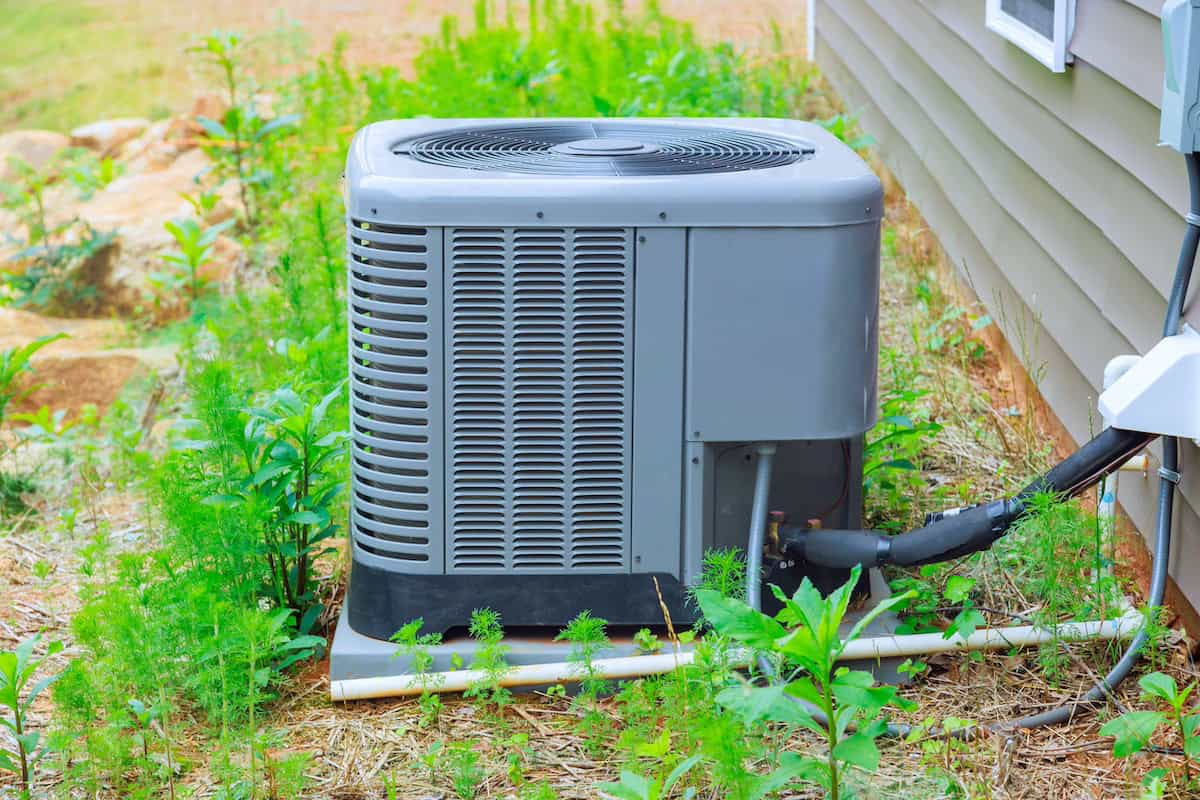
In homes and workplaces, HVAC (Heating, Ventilation, and Air Conditioning) systems are critical for maintaining comfortable indoor temperatures year-round. However, HVAC systems can experience issues that impact their ability to cool or heat efficiently. Below, we explore common reasons your HVAC system may struggle to meet temperature demands and how to address these issues for improved performance.
One of the first places to check when your HVAC system isn’t performing correctly is the thermostat. If it’s set improperly, it could result in inadequate heating or cooling. Issues with thermostat settings, dead batteries, or improper calibration can all prevent the HVAC system from functioning effectively.
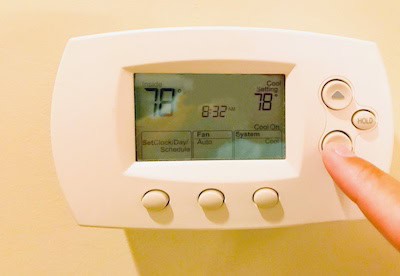
Faulty or outdated wiring can also cause significant thermostat issues. When wiring is compromised, it can interrupt the signal from the thermostat to the HVAC system, leading to temperature inconsistencies. Replacing or upgrading wiring is often necessary to restore proper function.
Clogged filters restrict airflow, making it difficult for your HVAC system to heat or cool the air effectively. A dirty filter can cause the system to work harder, reducing its efficiency and potentially damaging internal components over time.
To maintain optimal airflow, replace or clean air filters every 1-3 months, depending on usage and air quality. Regular maintenance of filters helps ensure efficient airflow, improving system performance and energy efficiency.
Refrigerant is essential for cooling; when levels are low due to leaks, your HVAC system struggles to cool properly. Common signs of refrigerant leaks include insufficient cooling, longer cooling cycles, and hissing sounds near refrigerant lines.
Low refrigerant can put additional strain on the compressor and lead to higher energy bills. It can also negatively impact the environment if not addressed quickly. Professional repair and refrigerant recharge are typically needed for these issues.
When vents are blocked by furniture or objects, airflow is restricted, preventing efficient heating or cooling. This causes the HVAC system to overwork, which can lead to increased wear and tear on the system.
Check all vents and registers and ensure they’re free from obstructions. If necessary, rearrange furniture to allow for adequate airflow throughout each room.
The evaporator coils in an HVAC system are responsible for absorbing heat. If they freeze, it indicates a problem with airflow or refrigerant levels, preventing the system from cooling efficiently.
Frozen coils not only reduce cooling power but can also cause long-term damage to the system. Proper diagnosis and repair of airflow issues or refrigerant leaks are essential to prevent this problem.
Electrical issues, such as blown fuses, tripped breakers, or faulty wiring, can cause your HVAC system to stop working. These issues often stem from aging equipment or electrical surges that affect the power supply.
A licensed technician can diagnose and repair electrical problems safely, ensuring your HVAC system operates without interruptions. Regular inspections can help identify potential electrical issues before they become problematic.
Condenser coils release the heat absorbed inside the home to the outside. When these coils are covered in dirt or debris, they struggle to release heat, leading to reduced cooling efficiency.
Regularly cleaning condenser coils, typically located outside, can improve system performance. Ensure the surrounding area is free from leaves, grass clippings, or other obstructions to maintain proper airflow.
Both the blower fan (indoor) and condenser fan (outdoor) play essential roles in HVAC function. If either of these fans malfunctions, it can lead to poor airflow and insufficient heating or cooling.
Loud noises, inconsistent airflow, and overheating are all indicators of fan issues. Replacing or repairing fan motors and blades can restore proper airflow and prevent further system issues.
Leaks in ductwork allow heated or cooled air to escape, making it difficult for the HVAC system to reach the desired temperature. Over time, leaky ducts reduce system efficiency and increase energy bills.
HVAC professionals use specialized tools to detect and seal duct leaks, helping to restore efficiency and improve indoor comfort. Regular inspections can help prevent leaks from developing.
Older HVAC systems lose efficiency over time, leading to more frequent issues and higher energy costs. Generally, HVAC systems have a lifespan of 15-20 years, depending on maintenance and usage.
If your system is over 15 years old and experiencing frequent breakdowns, it may be time to consider an upgrade. Modern HVAC systems are more energy-efficient and can save money in the long run.
A system that is too large or too small for your space will struggle to maintain consistent temperatures. Oversized systems tend to cycle on and off too quickly, while undersized systems may run continuously.
Signs of incorrect sizing include frequent cycling, uneven temperatures, and high energy bills. Consulting with an HVAC specialist can help determine the right system size for your space.
Lack of regular maintenance can lead to clogged filters, dirty coils, and worn components, all of which reduce HVAC efficiency. Annual maintenance can extend the life of your system and improve its performance.
A bi-annual maintenance schedule that includes filter changes, coil cleaning, and electrical inspections can prevent costly repairs and optimize system performance.
The blower is responsible for moving air throughout your home. If the blower motor is faulty, airflow is restricted, leading to inadequate heating or cooling.
Signs of blower issues include reduced airflow, odd noises, and overheating. Timely repair or replacement of blower components can restore airflow and system efficiency.
HVAC systems remove moisture from the air, which is expelled through a drainage line. If this line is clogged, water can back up, causing the system to shut down or malfunction.
Clogged drain lines can lead to water damage and reduced cooling efficiency. Regularly clearing the drainage line can prevent these issues and maintain system functionality.
Extreme outdoor temperatures can strain HVAC systems, making it challenging to reach desired indoor temperatures. In very hot or cold weather, even well-maintained systems may experience reduced efficiency.
To maximize HVAC performance during extreme temperatures, keep blinds closed, use ceiling fans, and set the thermostat to a moderate temperature. Proper insulation and sealing around windows and doors can also help.
Understanding the top reasons your HVAC system may not be cooling or heating effectively is crucial for maintaining indoor comfort and system longevity. Regular maintenance, timely repairs, and professional inspections can prevent most common issues, ensuring efficient operation throughout the year. For persistent issues, consulting with an HVAC professional can provide solutions tailored to your system and specific needs.
1. Why does my HVAC system keep running but isn’t cooling?
This could be due to low refrigerant levels, clogged air filters, or a malfunctioning compressor. Each of these issues can reduce cooling efficiency, requiring professional inspection.
2. How often should I replace my air filter?
It’s recommended to replace or clean air filters every 1-3 months, depending on usage and air quality conditions.
3. What are the signs of refrigerant leaks?
Common signs include insufficient cooling, hissing sounds, and frozen evaporator coils. Refrigerant leaks require professional repair and refrigerant recharge.
4. Why does my HVAC system blow hot air instead of cold?
This could be due to a malfunctioning thermostat, refrigerant leak, or electrical issue. These issues prevent the system from cooling effectively.
5. How do I know if my HVAC system is the right size?
Signs of improper sizing include frequent cycling, uneven temperatures, and high energy bills. A professional assessment can determine if your system is appropriately sized.
6. Can extreme temperatures affect my HVAC system’s performance?
Yes, extreme heat or cold can strain the system, reducing its ability to maintain consistent indoor temperatures.
With expert technicians and a commitment to quality, Wolf delivers reliable heating and cooling solutions for every season. Experience the difference of service you can trust.
(918) 633-9077

Bryan was professional and very knowledgeable. He did his best to fix my 30 yr old unit b4 making the decision to replace it. Then he charged me a yearly maintenance fee for the day since we purchased a new A/C. On top of everything, Bryan came back at 10 pm to bring window units to make sure my home would be cool. Thank you Read More

Had a new system installed, and they did an outstanding job. Arrived in the time frame that they said they would and started removing the old system. It took about 9 hours, but they moved the outside unit like I had asked with no hesitation. Ran new copper tubing, drain line, and electric. Did a very clean job on the installation, as you can see Read More
Great company with awesome employees. A friend of mine recommended Wolf’s when my ancient AC went out. Staff are always punctual, respectful and knowledgeable. No one wants to buy a new heat and air system, but this company made the process as easy and painless as possible!
Dalton Yandell was very thorough on servicing our unit. Not only did he clean around the outside of the unit, he also evaluated the condition of the inside of the unit and also clean it very thoroughly. He left an application to obtain a rewards membership to service our unit twice a year. Was very impressed with his work ethic, he was very cordial and Read More
Highly recommend Wolf’s Heating & Air Conditioning! They went above and beyond to get us on their schedule. Sam and Marcus did a fantastic job figuring out the issue, ordering the parts and making sure we were up and running! They were polite, professional and thorough!
Our experienced technicians handle the hard work so you don’t have to. Whether it’s maintenance, repairs, or installation, Wolf Heating & Air is ready to help.
(918) 633-9077